
Round fish · Harbour and estuary
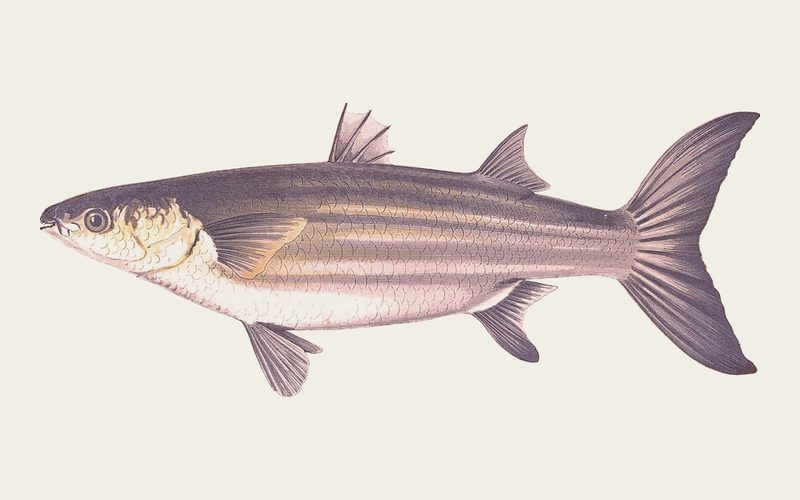
Thick-lipped mullet
Calm harbours in summer. Feed mashed bread, then fish a tiny hook on a long, light trace.
- Know it
- Big scales, a broad flat head and a thick upper lip. Shoals cruise at the surface.
- Bait
- Bread flake, small ragworm
- Table
- Fair eating Slow-growing, and harbour fish can taste muddy. Most anglers return them.
Season
Typical months on the North West and North East coasts, with this month ringed. Seasons shift a few weeks with water temperature and run differently around the coast: see each region's headline fish below.
Legal minimum size
Thick-lipped mullet
Last checked 18 October 2026Measured from the tip of the snout to the end of the tail (rays: wing tip to wing tip). Each region links to its regulator.
| Area | Minimum |
|---|---|
| North West England | 20cm |
| North Wales | 20cm |
| Yorkshire to the Tyne | No legal minimum |
| Northumberland | No legal minimum |
| Cardigan Bay and the Llyn | 20cm |
| Pembrokeshire, Gower and South Wales | 35cm |
| Cornwall and the Isles of Scilly | 20cm |
| Dorset, Hampshire and the Solent | 42cm (check locally) |
No size for this fish is listed in the regional rules we checked for Severn estuary, Somerset and North Devon, South Devon, Sussex. That may mean none is set, or that the national rules apply: check locally.
and 7 other regions

Rules change, usually each spring. Check the regulator for the area before you keep a fish.
Tips
Mullet
Crumble white bread from the middle of the slice and throw in loose balls so it clouds. Look for feeding fish in the shallows at low tide. If the gulls get the bread, try tiny pieces of rag on a size 10.
A headline fish in
Where to catch it
Regions with marks where thick-lipped mullet is one of the main fish, and how many marks.